
Marine Polycarbonate vs Glass for Boat Glazing
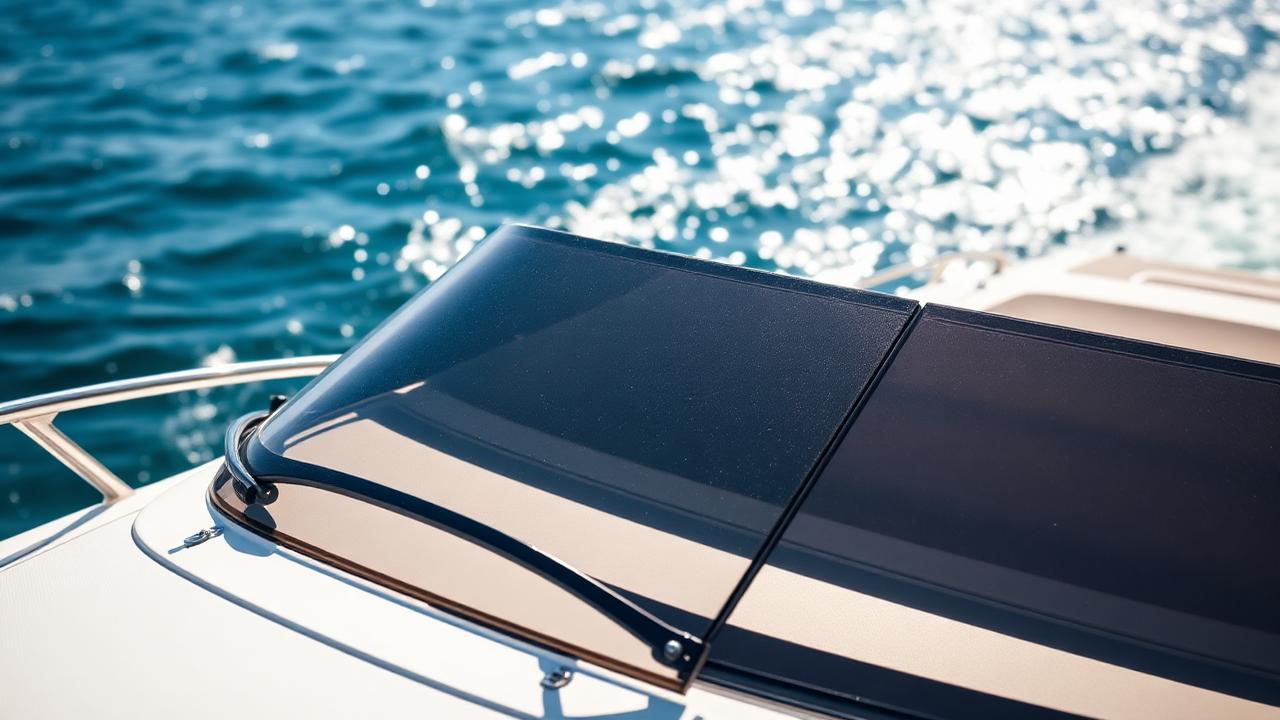
Toughened glass, acrylic and polycarbonate all show up in marine glazing — and all three have their place. Which one is right for your boat depends on the size of the panel, the loads it will see and how much you're willing to spend on maintenance.
At EXP Plastics we fabricate marine windows in both acrylic (Perspex) and polycarbonate every week, and we regularly help boat owners decide when it's worth stepping up to glass. Here's the honest side-by-side.
Marine glazing comparison table
| Property | Toughened glass | Acrylic (Perspex) | Polycarbonate |
|---|---|---|---|
| Weight (relative) | Heaviest (2.5×) | Lightest (1×) | Light (1.2×) |
| Impact resistance | Good (shatters into cubes) | 17× glass | 250× glass |
| Optical clarity | Excellent | Excellent (92%) | Very good (88%) |
| UV resistance | Excellent | Excellent (won't yellow) | Good with UV grade only |
| Scratch resistance | Excellent | Moderate (polishable) | Low (unless hard-coated) |
| Thermoformable | No (bent glass only) | Yes (ideal) | Yes |
| Relative cost | High (very high if curved) | Low | Medium–high |
When glass makes sense
Toughened or laminated marine glass is the default choice on large motor yachts and commercial passenger vessels. It's extremely scratch-resistant, doesn't need special cleaners and looks premium for decades. The trade-offs are weight (a real issue up high on a flybridge), cost — especially for curved panels — and catastrophic failure when it does break.
When polycarbonate wins
Polycarbonate is the material to reach for when impact protection is the priority: commercial workboats, offshore fishing vessels, rescue craft, and any application where the glazing is technically safety glazing. It's virtually unbreakable and dramatically lighter than glass. Choose a marine-grade UV-stabilised sheet with a hard coating to slow scratching, and pair it with plastic-safe cleaners. Learn more on our polycarbonate materials page.
When acrylic is the sweet spot
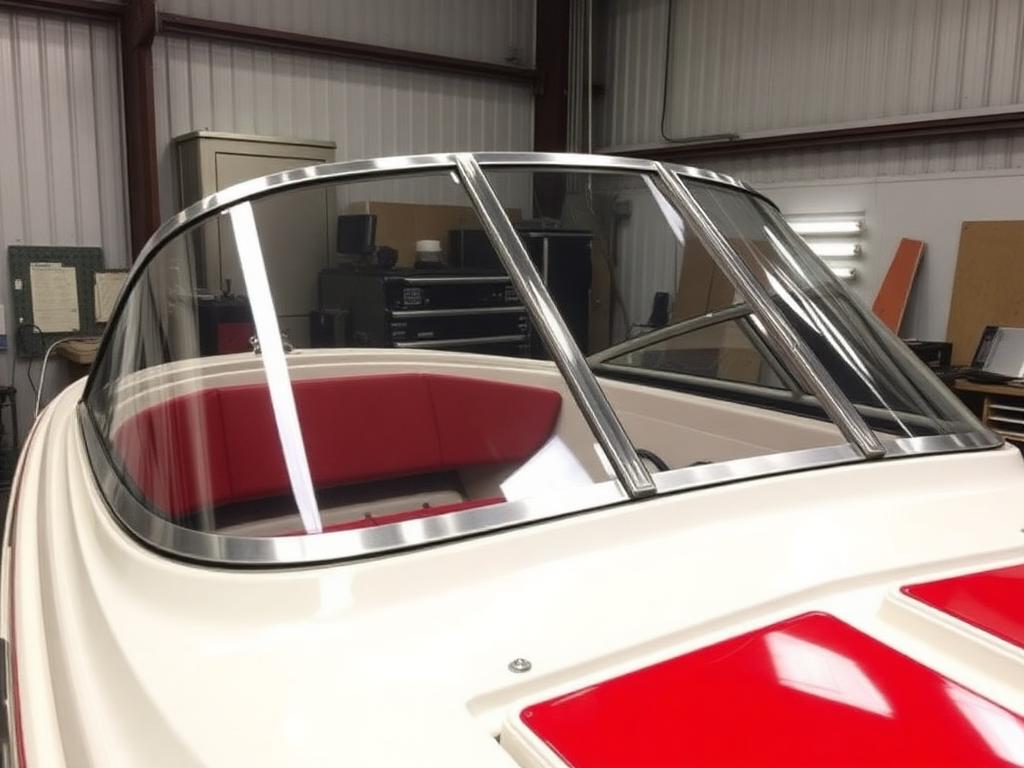
For the vast majority of recreational boats — runabouts, cabin cruisers, sailing yachts, half-cabins — UV-grade cast acrylic is the right answer. It's optically clearer than polycarbonate, doesn't yellow, thermoforms beautifully for curved windscreens, and costs a fraction of glass. Our acrylic vs polycarbonate guide covers the decision in depth, and the thickness chart tells you what to spec.
Maintenance differences at a glance
- Glass — any household glass cleaner is safe. Polish waterspots with cerium oxide.
- Acrylic — plastic-safe cleaners only (no ammonia, no acetone). Light scratches polish out with Novus or Vuplex.
- Polycarbonate — plastic-safe cleaners and soft microfibre only. Scratches are hard to remove — protect with hard coatings.
Which should you fit?
Our rule of thumb for Gold Coast boat owners:
- Under 9m, recreational use → UV-grade acrylic
- Commercial, offshore or safety-critical → marine polycarbonate
- Large motor yacht, fixed glazing, premium look → toughened or laminated glass
Get your boat glazing specified on the Gold Coast
Talk to us about the boat, the panel and how you use it — we'll recommend the right material and cut it to size. Call 07 5620 1038 or visit our boat & marine components page.
Related articles
Ready to Start Your Plastic Project?
Get a free quote from the Gold Coast's trusted plastic fabrication experts.