
Acrylic or Polycarbonate for Boat Windows? Plus How to Care for Them
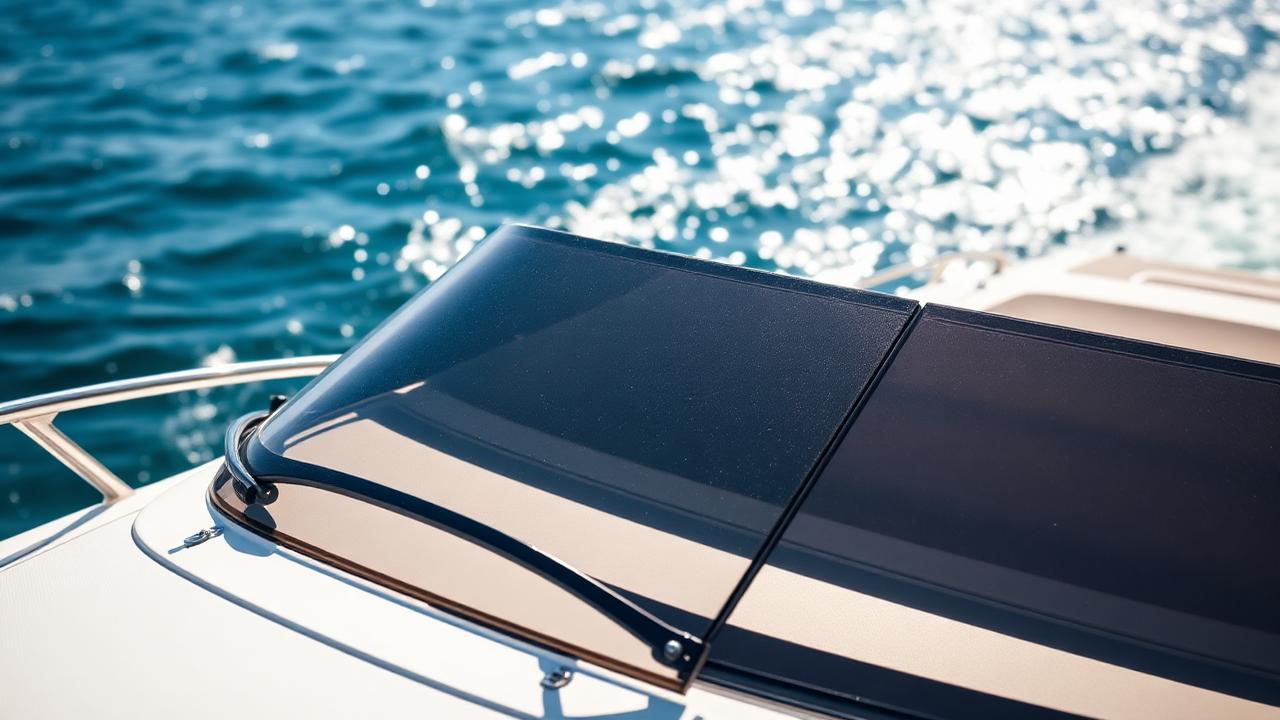
When it comes to boats, every component takes a beating from sun, wind, salt, water and mechanical wear-and-tear. Boat windows — whether portlights, windscreens or cabin glazing — bear the brunt of all four. Choose the wrong material and you'll be repairing or replacing them every couple of seasons.
At EXP Plastics, marine work is one of our specialties. Here's what we tell our Gold Coast boat-owning customers when they ask whether they should fit acrylic or polycarbonate windows.
Acrylic boat windows
Acrylic (also known as Perspex or PMMA) is the most common boat window material in Australia. It strikes an excellent balance between clarity, UV resistance and price.
- Outstanding clarity — even better than glass
- UV stable — won't yellow under tropical sun
- Easy to thermoform — perfect for curved windscreens
- Polishable — light scratches buff out
- More affordable than polycarbonate
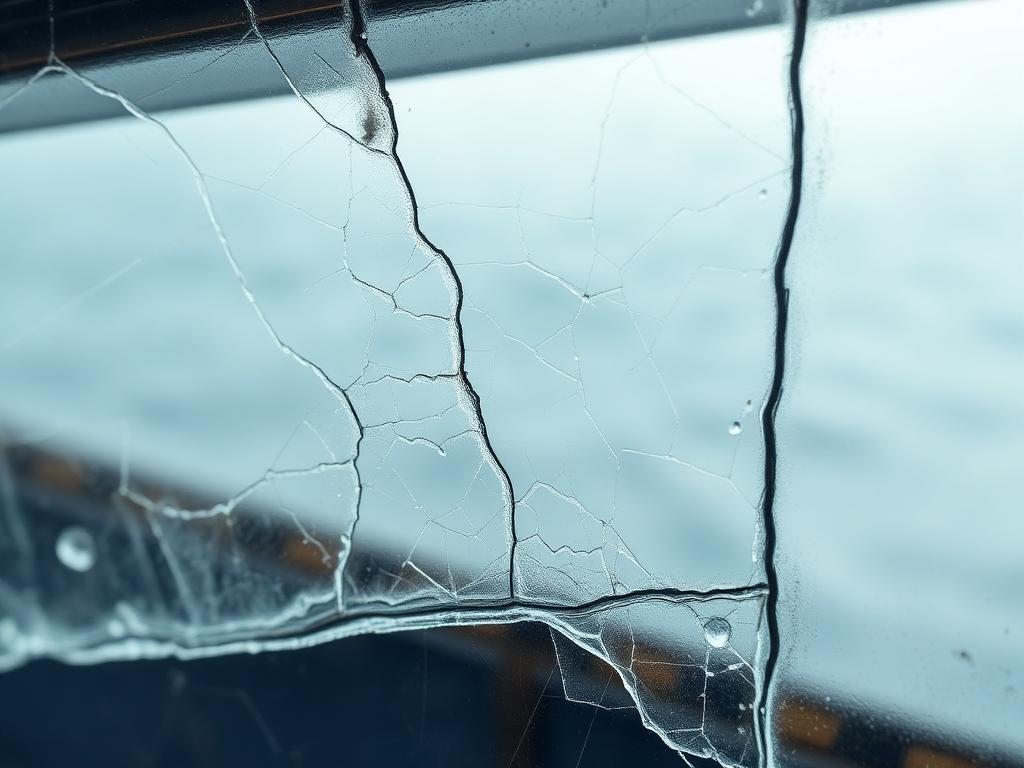
The trade-off is that acrylic is more brittle than polycarbonate, and harsh solvents (including some sealants and cleaners) can cause crazing — those tiny stress cracks you sometimes see in old portlights.
Polycarbonate boat windows
Polycarbonate is the high-impact alternative. It's the same material used in bullet-resistant glazing and machine guards.
- Virtually unbreakable — up to 250 times stronger than glass
- Excellent for safety glazing in offshore conditions
- Heat resistant
The downsides? It scratches more easily than acrylic, isn't as optically clear over time without a UV-stable grade, and is significantly more expensive.
So which should you choose?
For most recreational boats — runabouts, cruisers, sailing yachts — UV-grade acrylic is the right call. It looks great, lasts well and won't break the bank. For commercial vessels, charter operations and any window where impact protection is critical, polycarbonate is worth the extra spend.
How to care for your boat windows
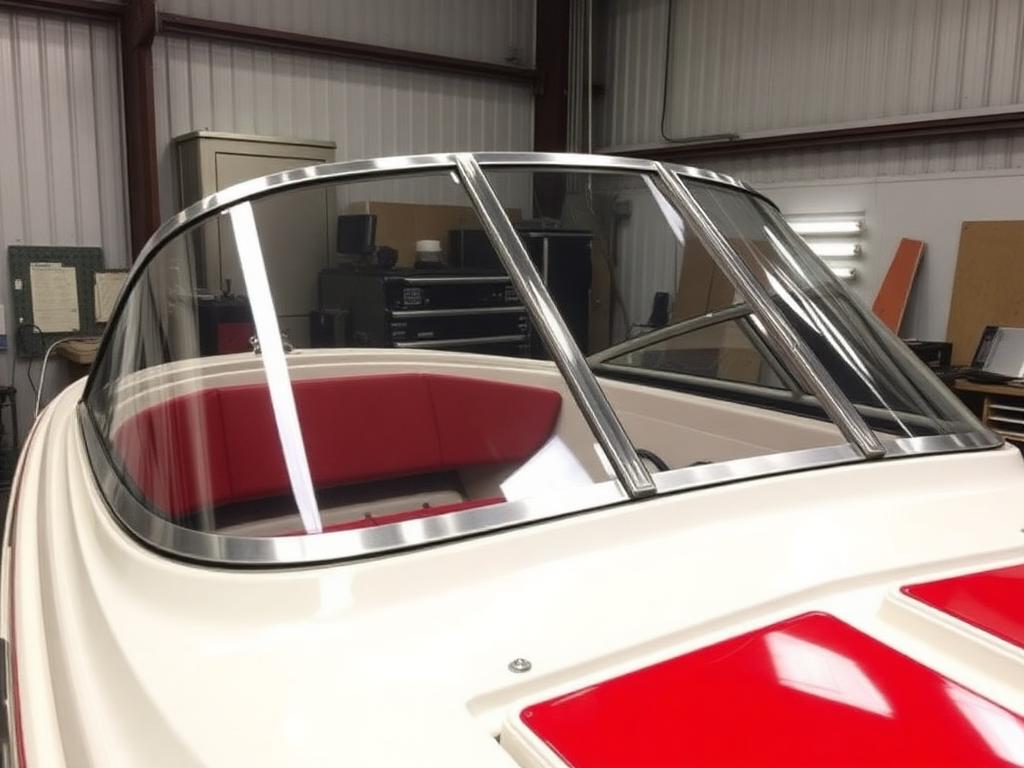
- Rinse with fresh water often — salt is abrasive.
- Use a soft microfibre cloth, never paper towel or anything gritty.
- Avoid ammonia, acetone and petroleum-based cleaners. Use a dedicated acrylic or boat-window cleaner.
- Polish out light scratches with an acrylic polish such as Novus or Vuplex.
- Re-bed the seals when they show signs of perishing — this is the #1 cause of crazing.
Related articles
- How to Replace Boat Windows: DIY Step-by-Step Guide
- Best Perspex Thickness for Boat Windscreens (Size Chart)
- Marine Polycarbonate vs Glass for Boat Glazing
Need a replacement boat window on the Gold Coast?
EXP Plastics templates, fabricates and fits replacement boat windows in marine-grade acrylic and polycarbonate. Call us on 07 5620 1038 or visit our boat & marine components page to learn more.
Ready to Start Your Plastic Project?
Get a free quote from the Gold Coast's trusted plastic fabrication experts.